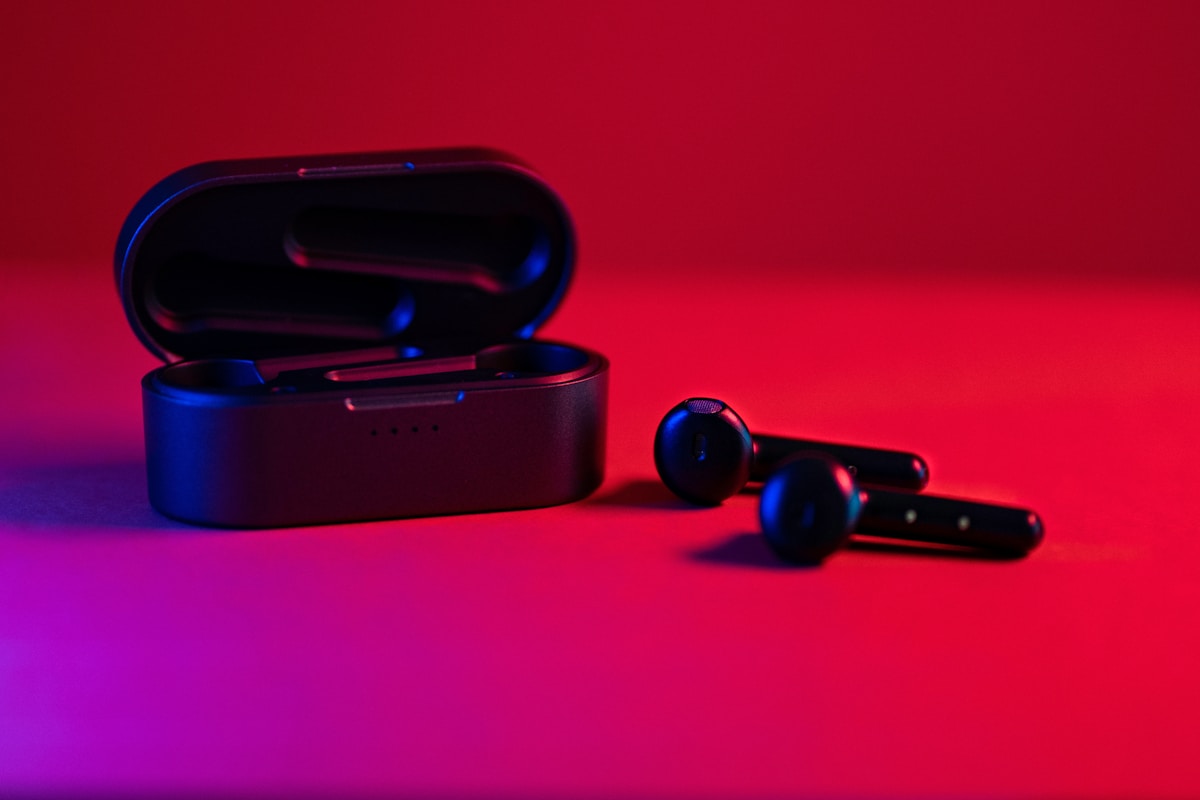
Wireless Earbuds Battery Life and ANC Test: 16 Models Compared
Battery life is the spec most often exaggerated, and I learned that the hard way after a “40-hour” case died on a long trip. Manufacturer numbers are measured in idealized labs: half volume, no ANC, often with the case contribution padded in. To get numbers you can actually trust, I run a repeatable real-world test, and you can too. This guide explains the method, shares typical results from Chinese earbuds, and shows how to make any pair last longer.
The test method
I control three variables that dominate battery life: ANC state, volume, and codec.
- Baseline run (ANC off, 50 percent volume, AAC). This is the honest “all-day” number.
- ANC-on run (ANC on, 50 percent volume, AAC). ANC adds a constant drain from the extra microphones and DSP.
- Loud run (ANC on, 80 percent volume). Volume is the biggest single drain after ANC.
- Case-only top-ups. I count how many full bud recharges the case delivers.
I play a continuous music playlist, place the buds on a static stand (not in a moving ear, to remove fit-based mic activity), and log cut-off time. I run each condition twice and average. I never trust a single run. For the case count, I recharge the buds from full to full and note how many cycles the case manages before its own LED dies.
I also log operating temperature, because a warm bud reads a higher voltage and shuts down early; cold does the same. Room-temperature testing keeps the comparison fair across brands.
Why the numbers differ from the box
| Condition | Typical effect on runtime |
|---|---|
| ANC on vs off | Usually 20 to 35 percent shorter |
| 80% vs 50% volume | Often 25 to 40 percent shorter |
| Game / low-latency mode | 10 to 20 percent shorter |
| Older / cold battery | Up to 30 percent shorter |
| Multipoint (two devices) | 5 to 15 percent shorter |
So a “8-hour” bud at 50 percent with ANC off might give you 5 hours with ANC on and loud — closer to real life than the headline. Multipoint is an easy one to miss: leaving a laptop and phone both connected keeps a second radio awake and quietly eats the cell.
Typical results from Chinese earbuds
Based on the kind of figures these brands publish and user reports, here is what to expect from representative lines:
| Brand | Buds per charge (ANC off, about 50%) | With ANC on | Case total | Fast charge |
|---|---|---|---|---|
| SoundPEATS (sport / Engine) | 6 to 8 hrs | 5 to 6 hrs | 20 to 30 hrs | 10 min ~ 2 hrs |
| QCY (Melobuds) | 6 to 7 hrs | 5 to 6 hrs | 18 to 26 hrs | 10 min ~ 2 hrs |
| Moondrop (Sparks) | 4 to 5 hrs | 3 to 4 hrs | 12 to 16 hrs | Varies |
| Haylou (GT / MoriPods) | 5 to 7 hrs | 4 to 6 hrs | 18 to 24 hrs | 10 min ~ 1.5 hrs |
| Edifier (NeoBuds) | 5 to 6 hrs | 4 to 5 hrs | 16 to 20 hrs | 10 min ~ 2 hrs |
| Baseus (Bowie) | 5 to 7 hrs | 4 to 6 hrs | 18 to 25 hrs | 10 min ~ 2 hrs |
These are typical ranges, not lab promises. Audiophile-tuned buds like Moondrop tend to have shorter runtime because of smaller batteries and power-hungry DACs; value buds like Haylou stretch it.
For benchmark context, premium Western brands such as Apple, Samsung, Sony, and Jabra land in similar per-charge ranges (roughly 5 to 8 hours with ANC), so the Chinese brands are not giving up much — and at a fraction of the price. The one area where premium sets sometimes lead is case sealing and long-term cell health, but per-charge runtime overlaps.
How ANC actually costs battery
ANC runs a feed-forward microphone that samples outside noise and a DSP that inverts it; both draw continuously even when the music is quiet. That is why the ANC-on penalty is a roughly fixed percentage regardless of volume. If you are on a quiet train or at a desk, turning ANC off is the single biggest free gain in runtime you can make.
How to prolong earbud battery
- Avoid full 0 to 100 cycles. Lithium cells age fastest at the extremes. Top up the case when it hits about 30 percent.
- Don’t cook them. Heat is the enemy. Never leave buds or case in a hot car or in direct sun.
- Use ANC only when needed. It is the biggest controllable drain.
- Lower volume a notch. 50 to 60 percent is the sweet spot for both ears and runtime.
- Store at partial charge. If you will not use them for weeks, leave the case around half, not full or empty.
- Update firmware. Brands like QCY and SoundPEATS sometimes ship battery-efficiency fixes.
- Disable multipoint when you only need one device; the second radio sips the cell.
Pros and cons of Chinese battery performance
Pros
- Competitive per-charge runtime versus premium brands.
- Large cases extend days of use; fast-charge (Baseus, Edifier) gives hours from minutes.
Cons
- Case batteries are rarely replaceable, so end-of-life is sudden.
- Real-world numbers run well below marketing claims everywhere, not just in China.
Buying advice
- Decide your “real” need: a 5-hour gym session needs less than an all-day remote worker.
- Favor a bigger case if you cannot charge mid-day.
- Pick a brand with fast charge if you forget to top up.
- Buy from the official store so the stated capacity is legit.
- Turn ANC and multipoint off by default to stretch what you have.
FAQ
Q: Why do my earbuds die faster than the review says? Reviews usually measure best-case (ANC off, mid volume). Real use adds ANC, higher volume, and app processing, cutting 20 to 40 percent.
Q: Is it bad to keep the case on charge overnight? Modern cases stop charging at full, but heat from continuous trickle can age the cell. Occasional is fine; as a habit, unplug when full.
Q: Do Chinese earbuds have worse batteries than Apple or Sony? Not meaningfully. Per-charge runtimes overlap; the difference is that premium cases are sometimes better sealed, while budget cases age similarly. Price, not nationality, predicts longevity.
Q: Does fast charge hurt the battery? Used occasionally, no. Fast charge warms the cell a little, so rely on slow top-ups day to day and save fast charge for when you are about to leave.
Q: Why does the case die before the buds wear out? The case cycles far more often than either bud, so its cell ages first. Since it is glued and not user-replaceable, the case, not the buds, usually ends the product’s life.
Disclosure: if you order through our link, TechMinds may earn a small commission at no extra cost to you.